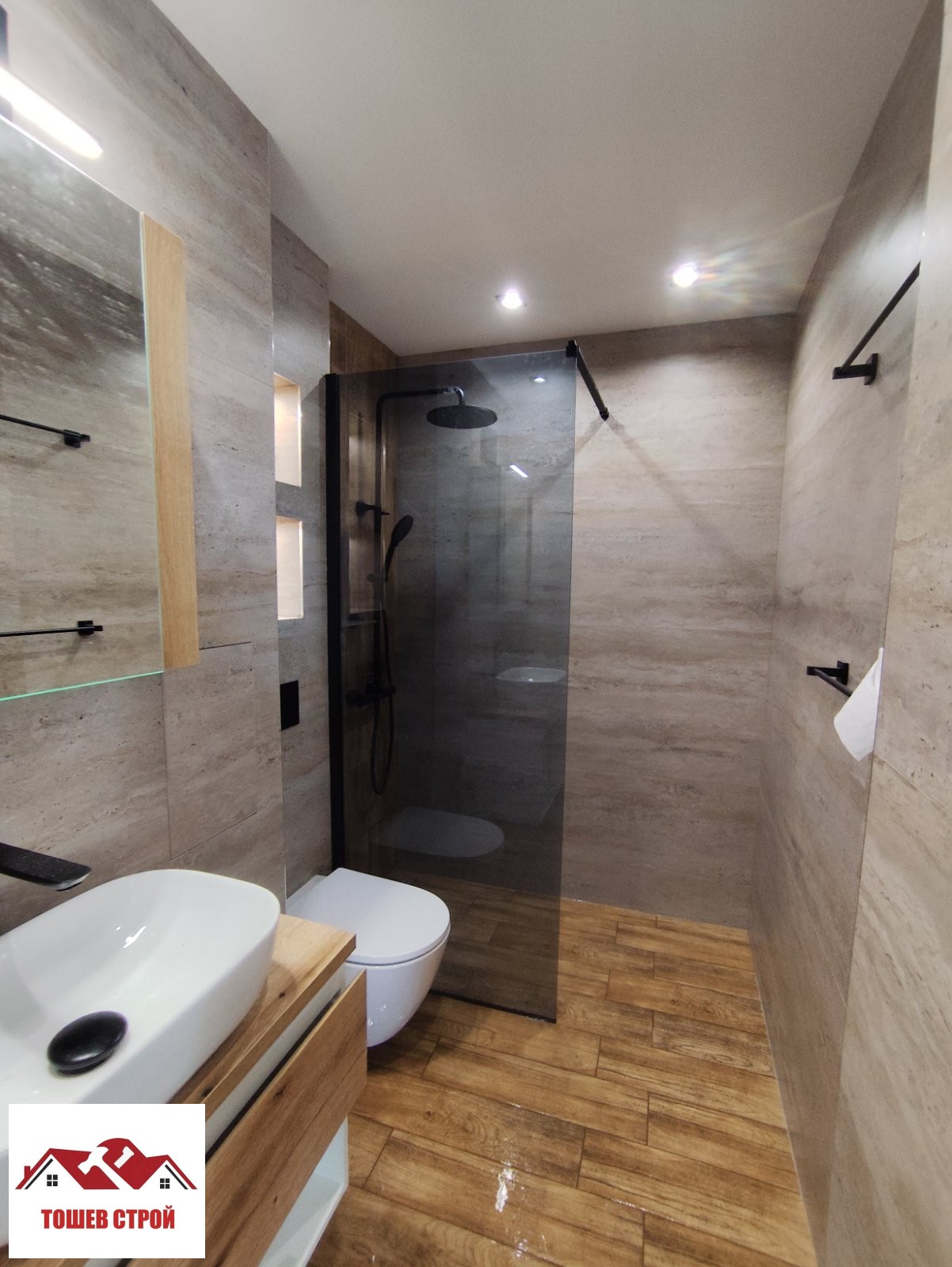
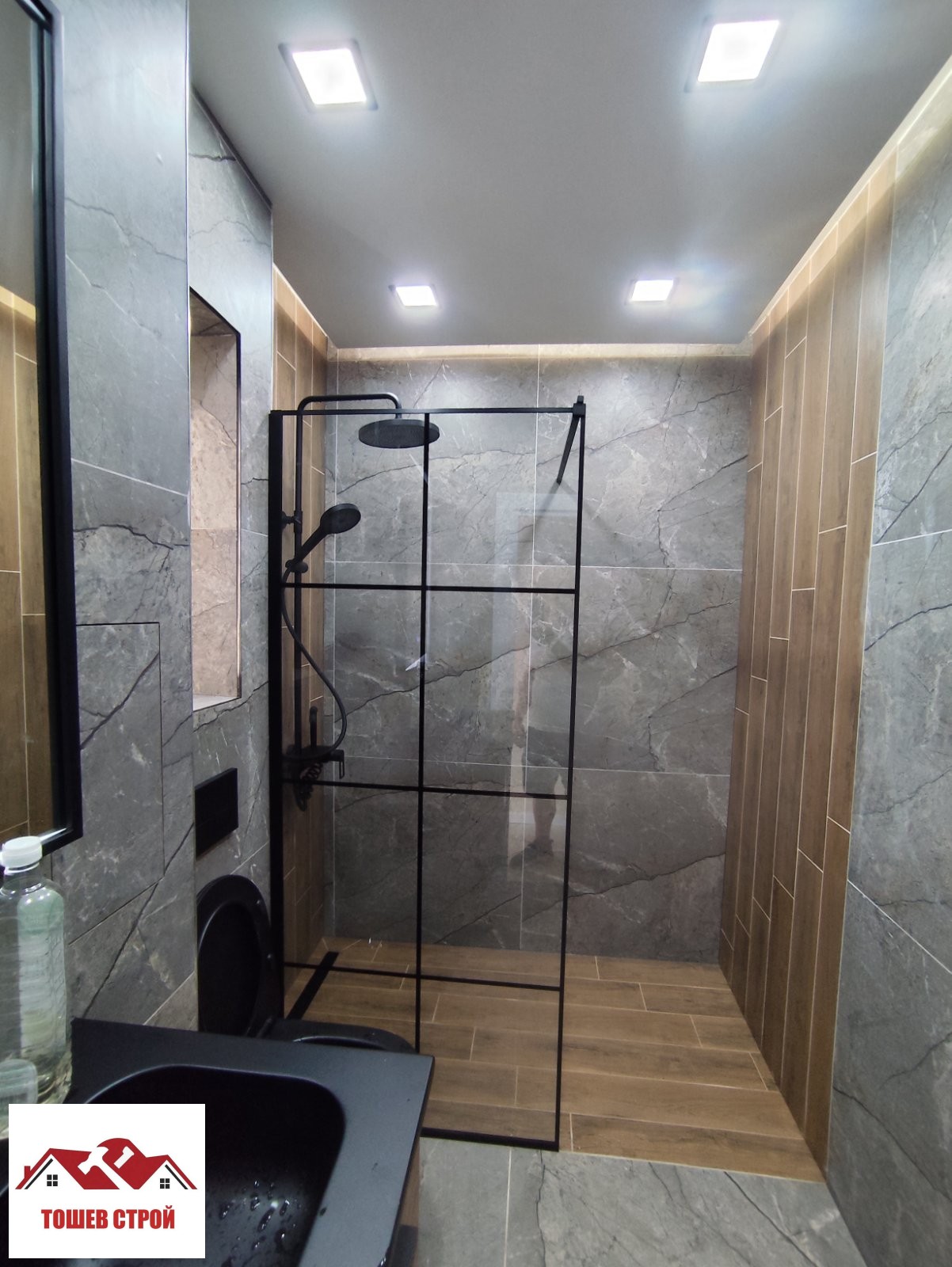
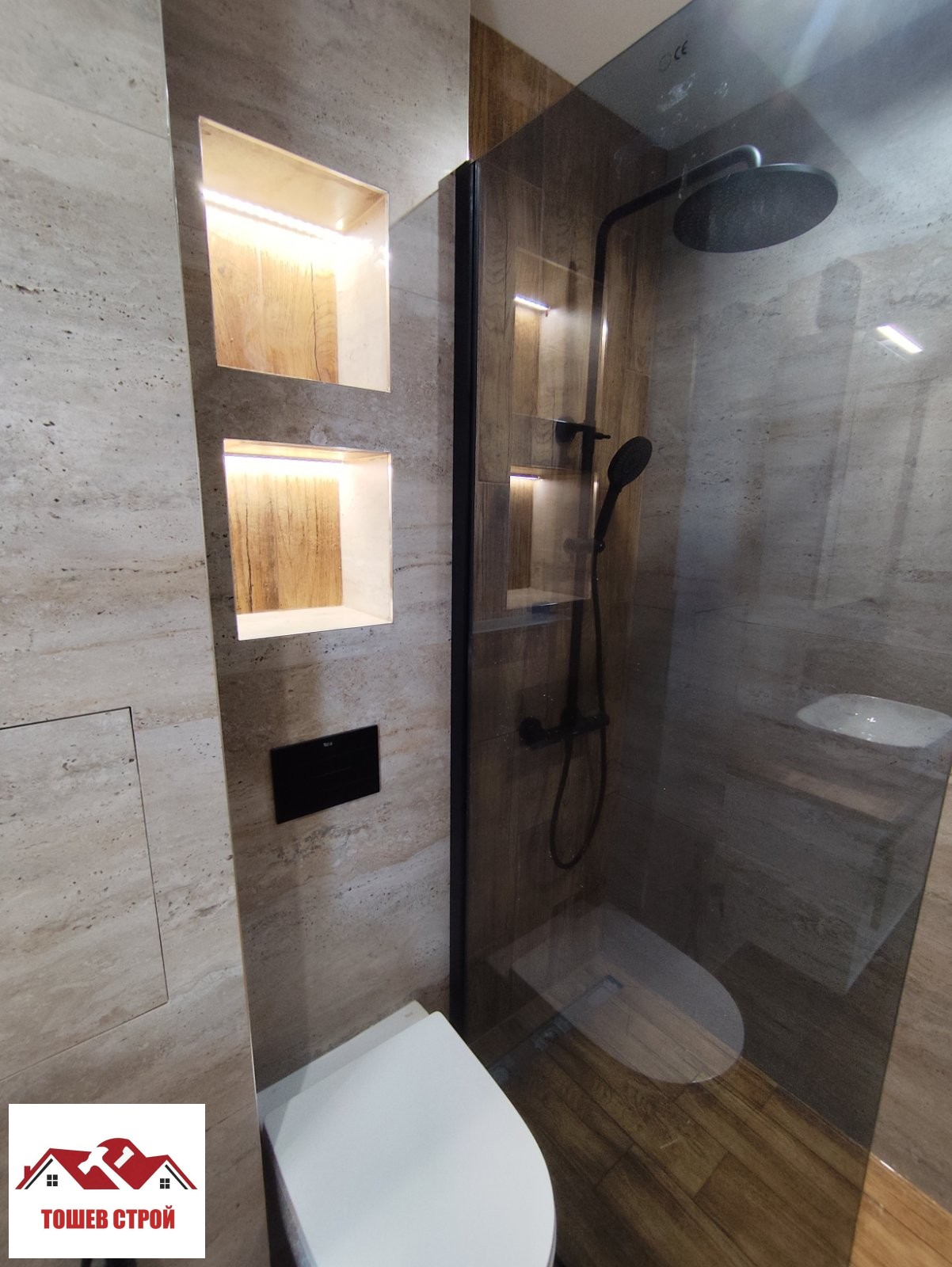
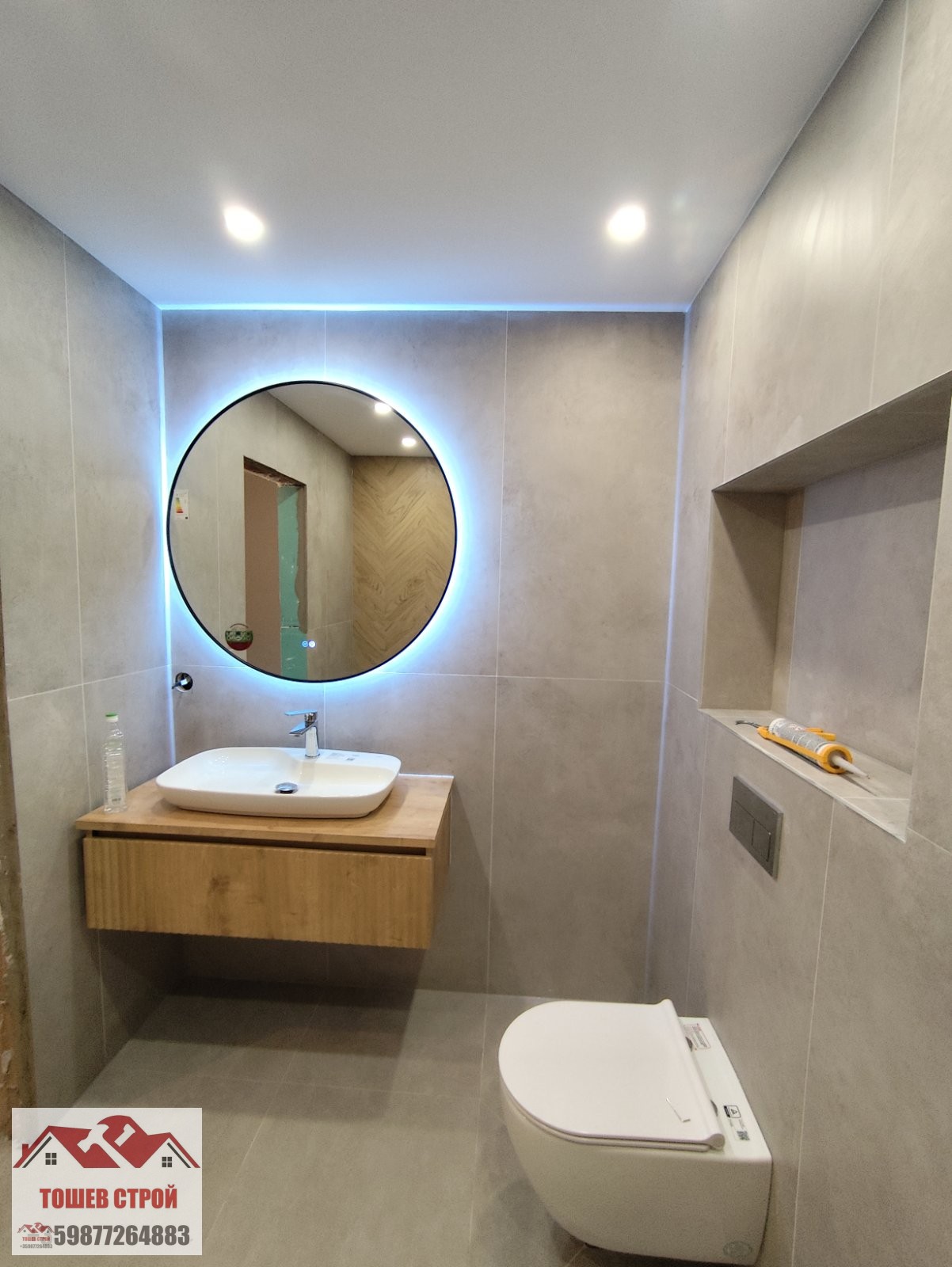
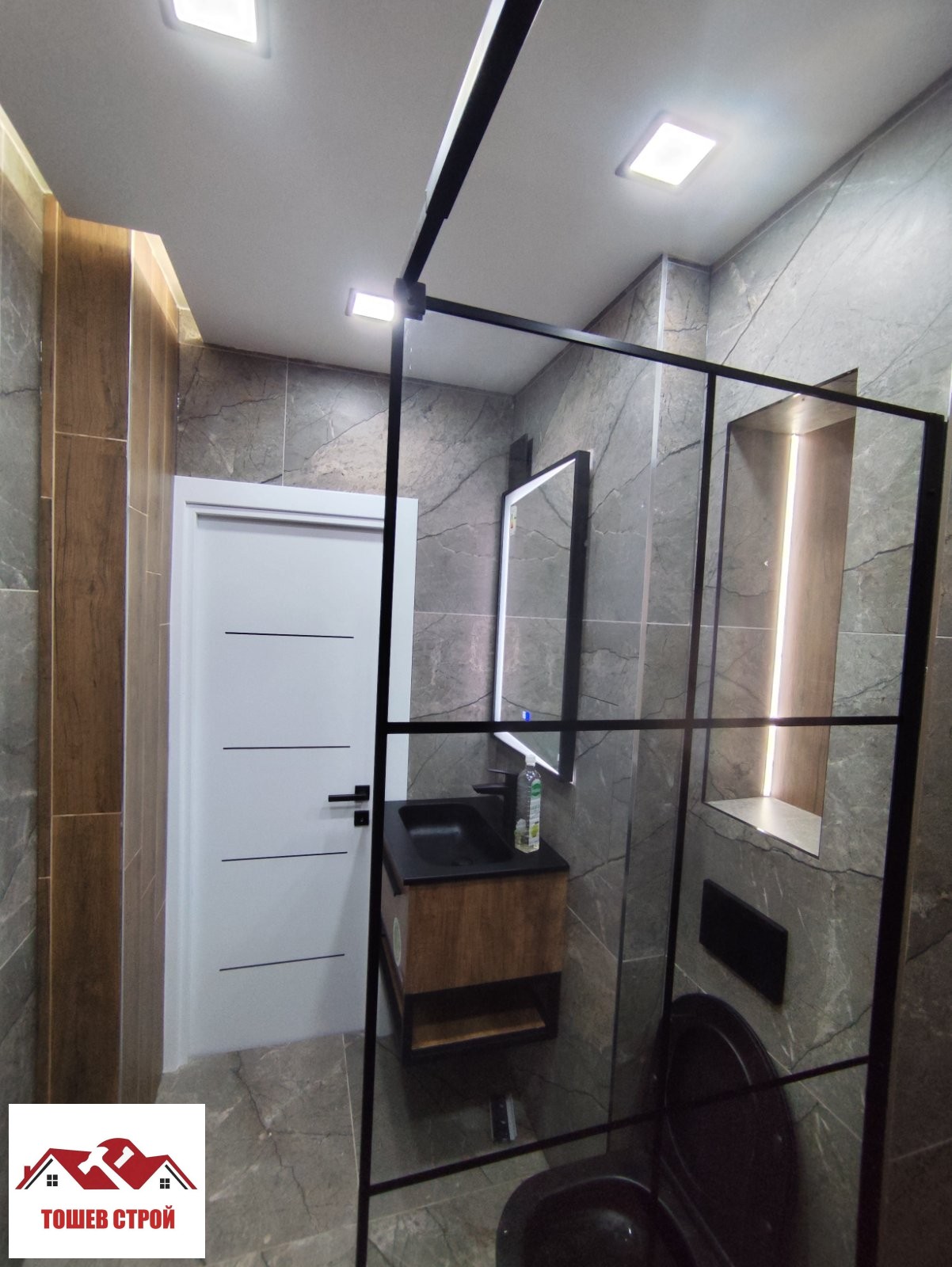
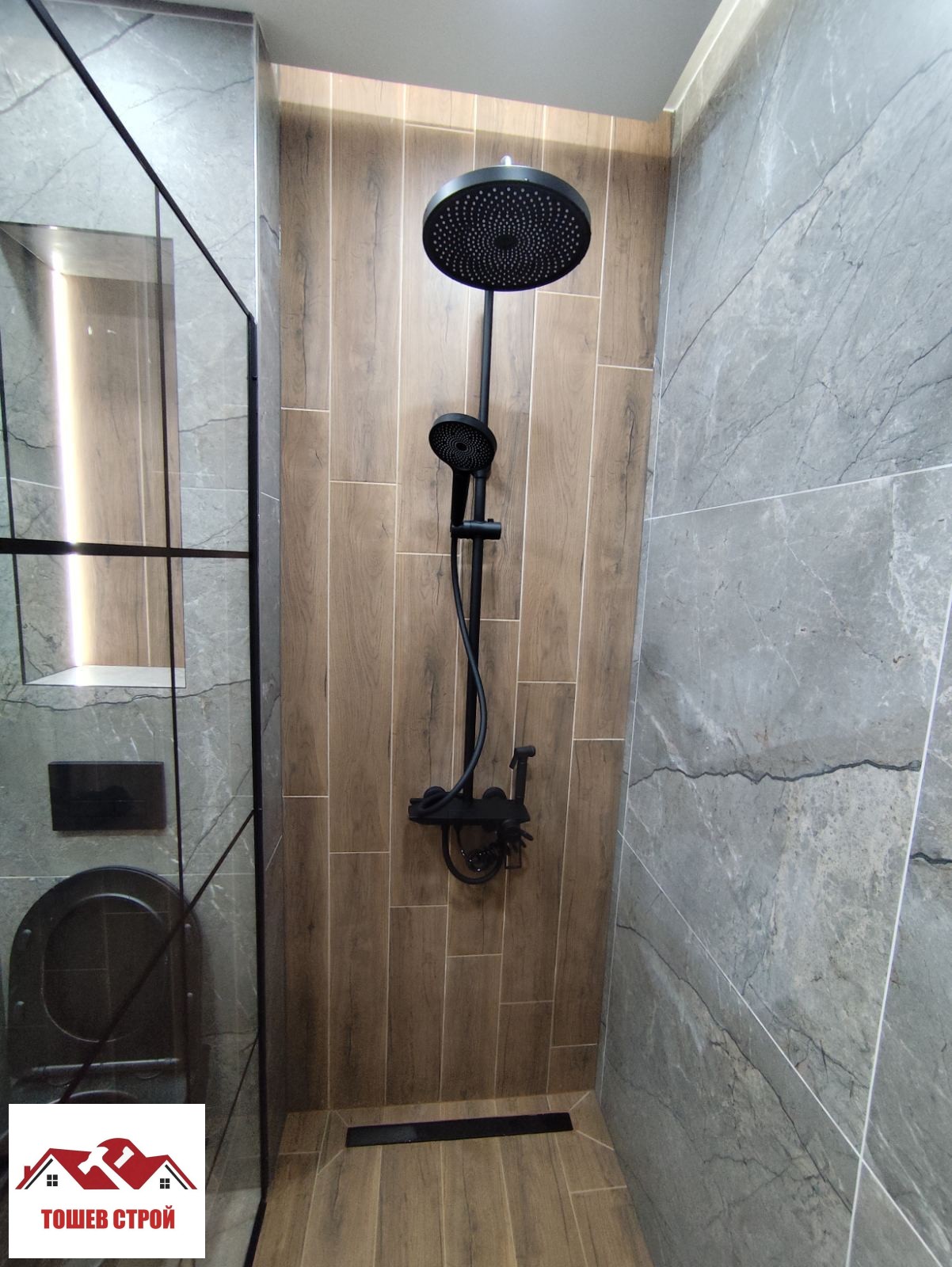
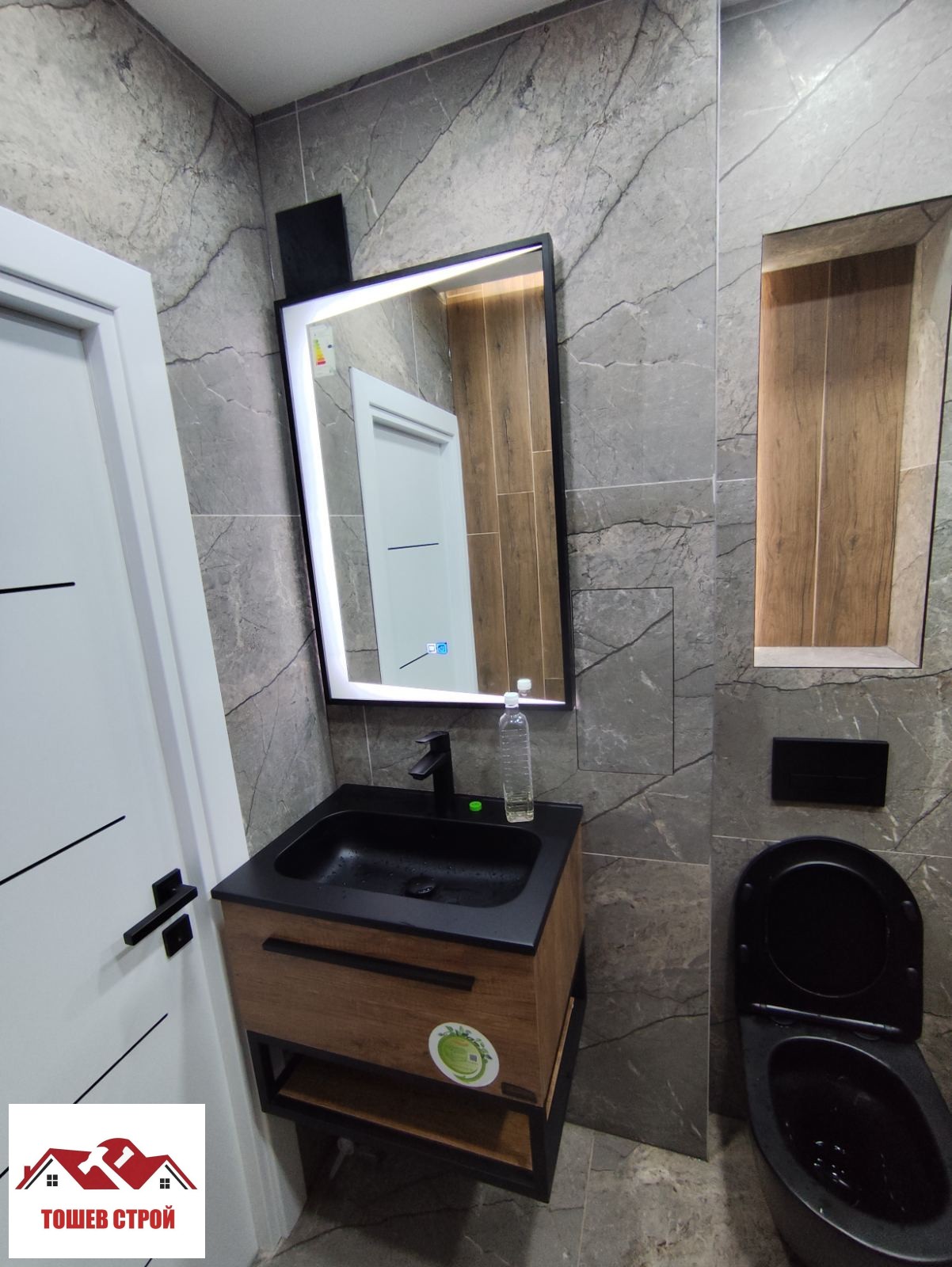
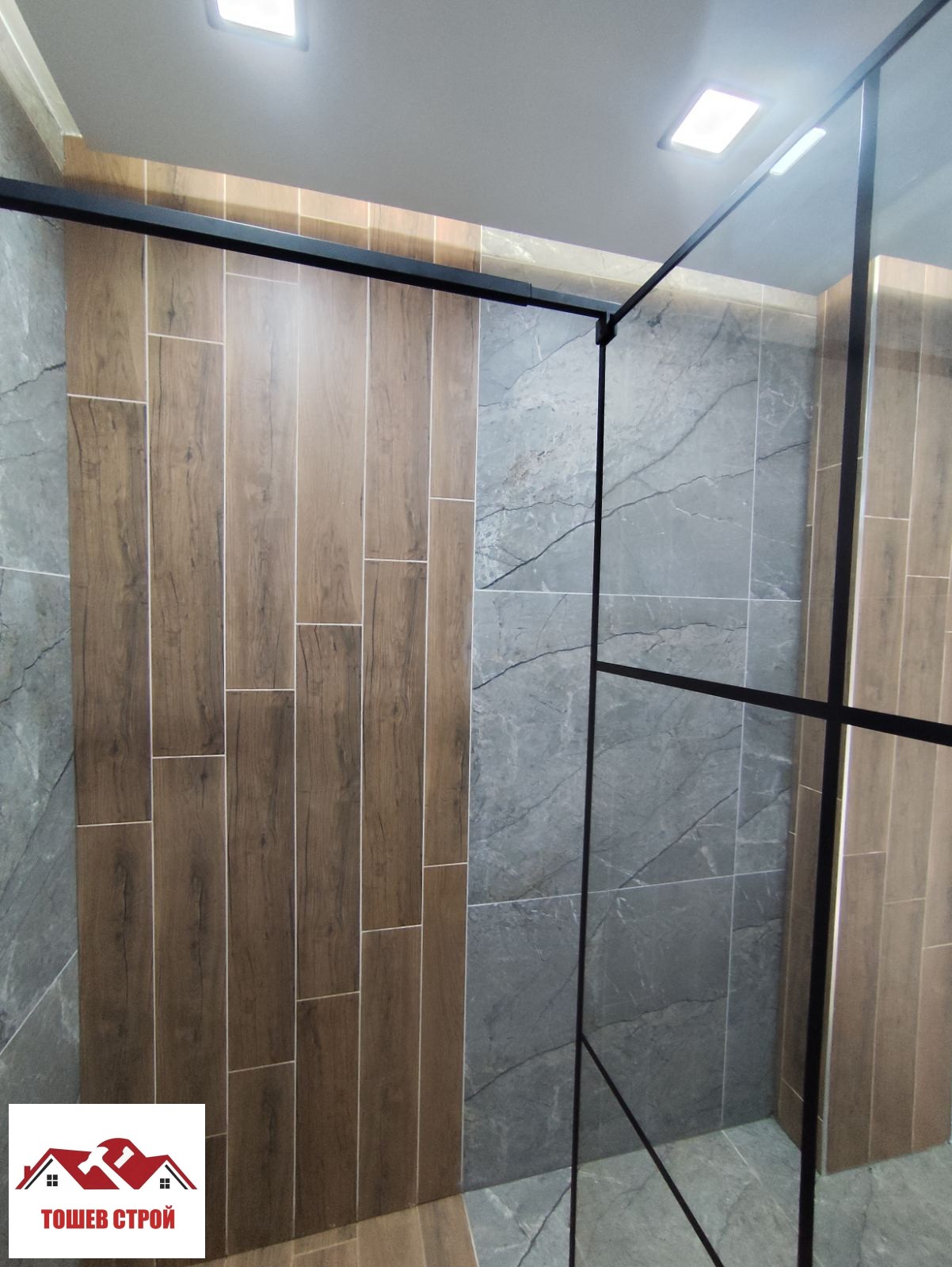
Bathroom renovation Sofia – complete bathroom renovation by Toshev Stroy
Bathroom renovation Sofia is a construction service where a good final result depends on the correct execution of every stage in the proper sequence. Toshev Stroy carries out complete bathroom renovations in apartments, houses and other properties in Sofia. The work may include demolition, substrate preparation, replacement of plumbing installations, waterproofing, wall and floor tiling, and installation of sanitary equipment. Before the renovation begins, the condition of the room is assessed and the required scope of work is determined. This allows the individual construction activities to be planned in the correct technical sequence.
What does a complete bathroom renovation include?
Bathroom renovation usually involves several different construction and installation activities. Their exact scope depends on the condition of the room, the existing installations and the desired layout. In older properties, it is often necessary to remove damaged flooring, wall coverings and installations. In newer properties, the work may focus mainly on preparation and finishing layers.
- Removal of old tiles and sanitary equipment
- Removal of unsuitable or unstable substrates
- Replacement or modification of the plumbing installation
- Preparation and levelling of walls and floors
- Installation of waterproofing
- Tile installation and grouting
- Installation of sanitary ware and equipment
- Final construction work
Initial inspection and renovation planning
Before demolition begins, it is important to determine the actual condition of the bathroom. Visible water supply and drainage connections, walls, floors and the areas around sanitary fixtures are inspected. The future positions of the shower, washbasin, toilet, water heater and other equipment are discussed. Advance planning is particularly important when the positions of water supply or drainage points will be changed. This reduces the need to break into already completed surfaces later.
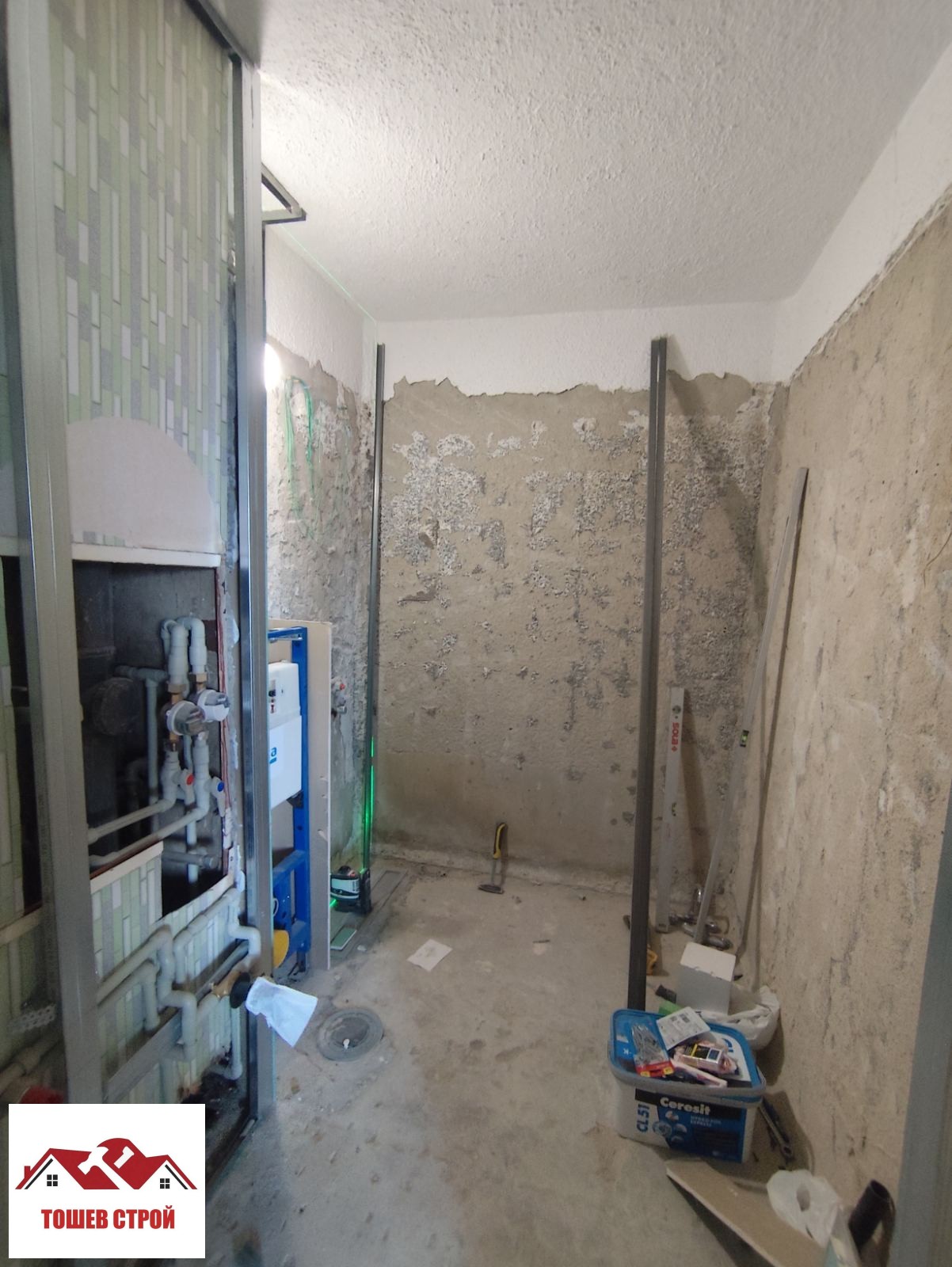
Demolition of the old bathroom
Demolition should provide a suitable base for the construction work that follows. Old tiles, adhesives, plaster or screeds are removed depending on their condition and the renovation plan. Sanitary fixtures and unnecessary installation components are also dismantled. During this stage, hidden problems that were not visible before the renovation began may be discovered.
Possible problems include:
- Damaged or unstable plaster
- Signs of prolonged moisture exposure
- Unstable floor screed
- Old or unsuitable pipe connections
- Damaged areas around drainage points
Any identified defects should be repaired before the new construction layers are installed.
Plumbing installation and positioning of sanitary fixtures
The water supply and drainage systems are planned according to the future bathroom equipment. Where necessary, old pipes are replaced or existing routes are modified. The positions of connection points should be determined before walls are closed and tiled surfaces are installed. This applies to mixers, shower systems, washbasins, toilets, washing machines and other appliances that use water.
The planning process takes into account:
- Location of water supply points
- Drainage connections
- Height of sanitary fixtures
- Position of built-in elements
- Access to important service connections
Preparation of walls and floors
A solid and properly prepared substrate is necessary for the reliable installation of the following layers. After demolition, the walls and floor are cleaned and inspected for unstable areas. Where necessary, surfaces are levelled with suitable materials. Depressions, deviations and local damage that could interfere with the installation of waterproofing and tiles are corrected.
In rooms with a shower area, the floor should be prepared so that water can drain towards the designated drainage point. An uneven or incorrectly formed substrate can make proper floor installation more difficult.
Bathroom waterproofing
Waterproofing is one of the main technical layers when constructing a wet room. It is applied before ceramic tiles are installed on a properly prepared substrate. Particular attention should be paid to the shower area, the floor, wall-to-floor junctions, corners and pipe penetrations.
Tiles and grout alone should not be considered the primary waterproofing layer. Waterproofing systems specifically designed for wet areas are used together with additional components for critical joints and connections. Installation should follow the technical requirements of the waterproofing system being used.
Tile installation
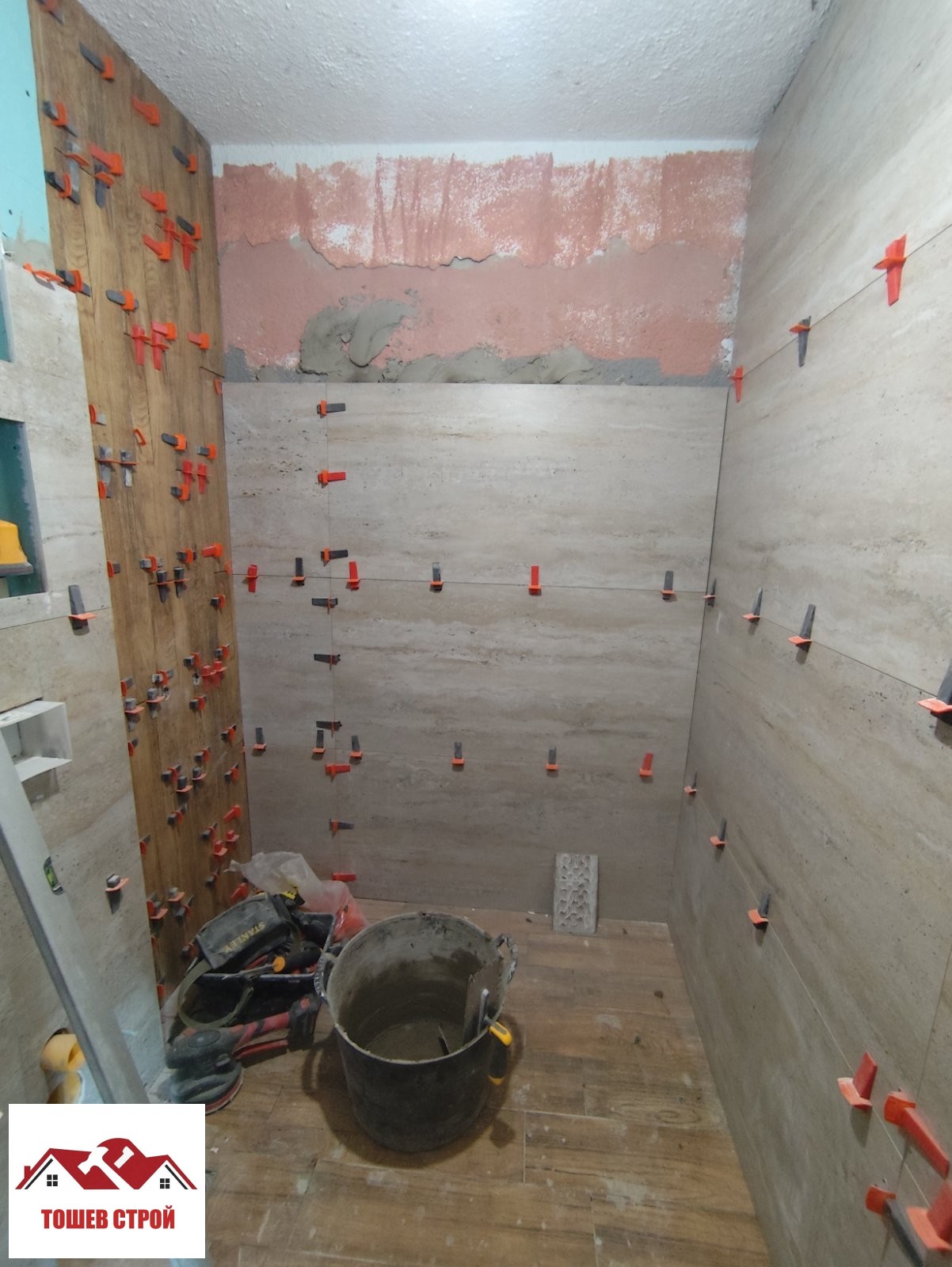
Wall and floor tile installation begins after the preparatory work and required technical stages have been completed. Tile layout is planned in advance, particularly when large-format tiles, decorative elements, niches or specific room dimensions are involved. The aim is to avoid unnecessarily narrow cuts and visible misalignment.
Important factors during installation include:
- Type and size of the tiles
- Suitable adhesive for the specific substrate
- Even distribution of the tile layout
- Correct finishing of internal and external corners
- Openings for mixers, electrical outlets and other elements
- Observance of the required curing and drying times
Grouting and treatment of joints
Once the tiles have been securely installed, the joints are grouted and connection areas are finished. The grout should be suitable for the specific tiles and the conditions found in a wet room. Areas where different surfaces meet or where minor movement may occur require appropriate treatment with suitable materials.
Properly finished joints make bathroom maintenance easier and complete the appearance of the tiled surfaces. Before final cleaning, the areas around plumbing connections, corners, floor junctions and other details are inspected.
Installation of sanitary equipment
Sanitary equipment is installed after the main tiling work has been completed. The previously selected washbasins, toilets, mixers, shower systems, cabinets and other elements are fitted. With built-in systems, part of the installation begins during the plumbing stage, which means that the equipment dimensions should be known in advance.
After installation, the water supply and drainage connections are checked. Particular attention is paid to areas that may become more difficult to access for maintenance after the renovation is completed.
Electrical installation and lighting
A bathroom is an area with increased humidity, so the electrical installation requires careful planning. The positions of lighting fixtures, electrical outlets, ventilation fans and electrical appliances should preferably be determined before the walls are finished.
Changes to the electrical installation should comply with the applicable safety requirements and the specific characteristics of the room. The positions of the shower, bathtub and other water sources must be considered when determining the locations of electrical components.
Ventilation and moisture control
Regular removal of moisture is important for the normal use of a bathroom. In rooms without sufficient natural ventilation, suitable mechanical ventilation may be required. The appropriate solution depends on the existing ventilation system and the characteristics of the building.
Effective ventilation helps remove water vapour more quickly after using a shower or bathtub. This reduces the amount of time that high humidity remains on ceilings, walls, furniture and other surfaces in the room.
How bathroom renovation Sofia is carried out by Toshev Stroy
The work process is organised into consecutive stages so that each operation is carried out on a properly prepared substrate. After the initial inspection, the required demolition, installation and construction work is determined. Waterproofing, tiling and final installation work begin only after the substrates have been properly prepared.
The typical sequence includes:
- Inspection and determination of the scope of work
- Demolition
- Plumbing and other installation work
- Preparation of walls and floors
- Waterproofing
- Tile installation
- Grouting and finishing details
- Installation of equipment
- Inspection of completed connections
What determines the cost of a bathroom renovation?
The cost of a renovation is not determined solely by the size of the room. Two bathrooms with the same floor area may require very different amounts of work. The condition of the substrates, the amount of demolition required, changes to installations and the complexity of the tiling all have a significant impact on the work involved.
When determining the scope of work, the following factors are considered:
- Size and configuration of the bathroom
- Amount of demolition work
- Condition of the plumbing system
- Need for substrate levelling
- Size and type of tiles
- Presence of niches and built-in structures
- Type of sanitary equipment
- Additional installation work
Renovation of a small bathroom in an apartment
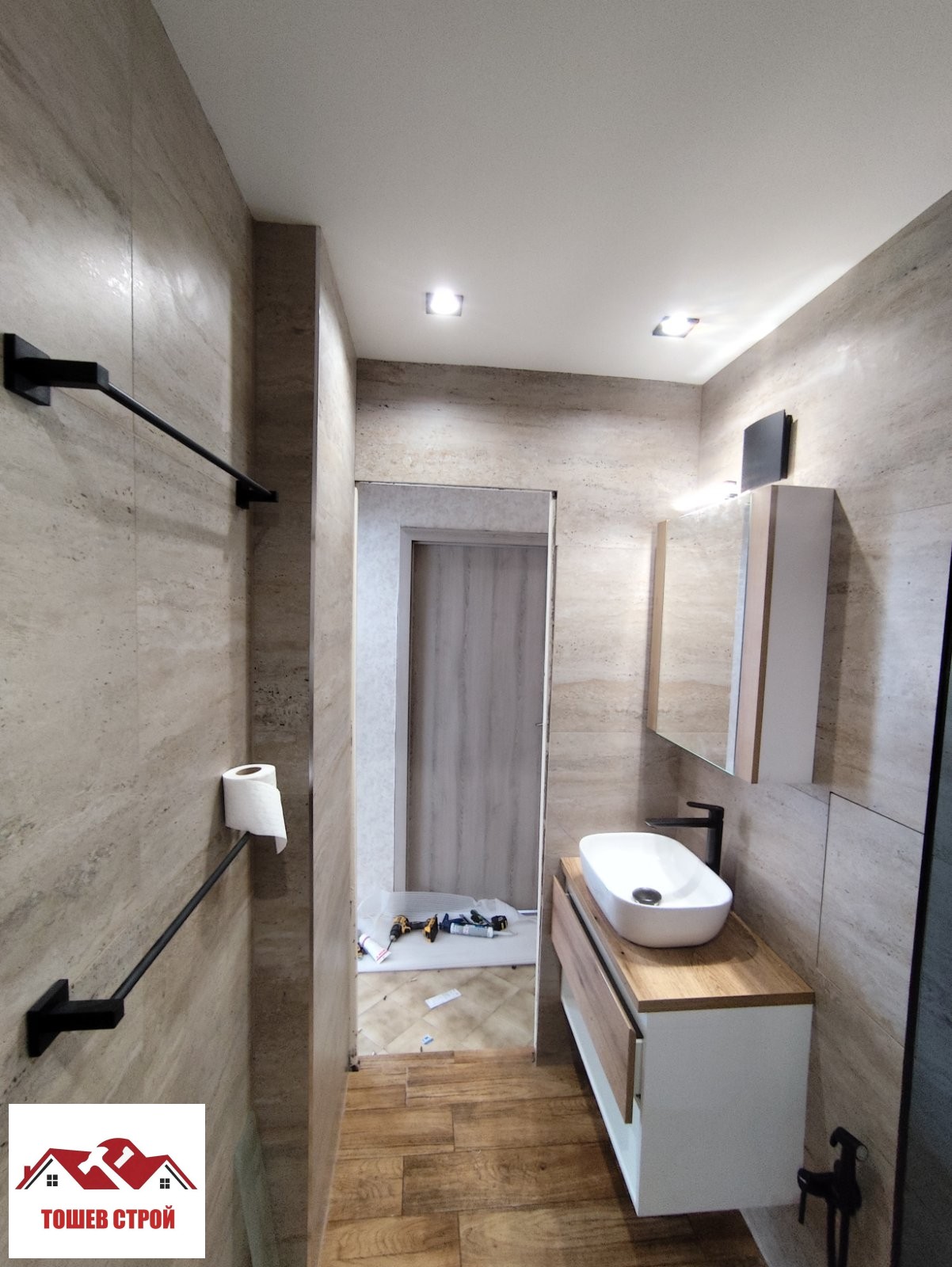
Small bathrooms require careful planning because limited space affects the position of every element. The dimensions of the washbasin, shower area, cabinets and sanitary fixtures should be considered before any changes are made to the installations. Even a small change in the position of a component can affect how comfortable the bathroom is to use.
For such rooms, it is useful to determine the exact dimensions of the equipment in advance. This allows water supply points, drainage connections and electrical points to be positioned according to the actual products rather than approximate measurements.
Bathroom renovation in an older property
In older properties, the condition beneath existing wall and floor coverings cannot always be fully assessed before demolition. Once the tiles are removed, unstable plaster, old pipe connections, uneven substrates or traces of previous renovations may be discovered. For this reason, the initial plan sometimes needs to be updated after the underlying construction layers are exposed.
Such problems should not simply be covered with new tiles. Before finishing work begins, the substrate and installations should be brought to a condition suitable for the construction operations that follow.
Why is the sequence of work important?
During a bathroom renovation, the individual activities are directly connected. An incorrectly positioned water outlet can create problems when sanitary equipment is installed, while an inadequately prepared substrate can make tiling more difficult. For this reason, decisions about the layout, installations and equipment should be made before the surfaces are finished.
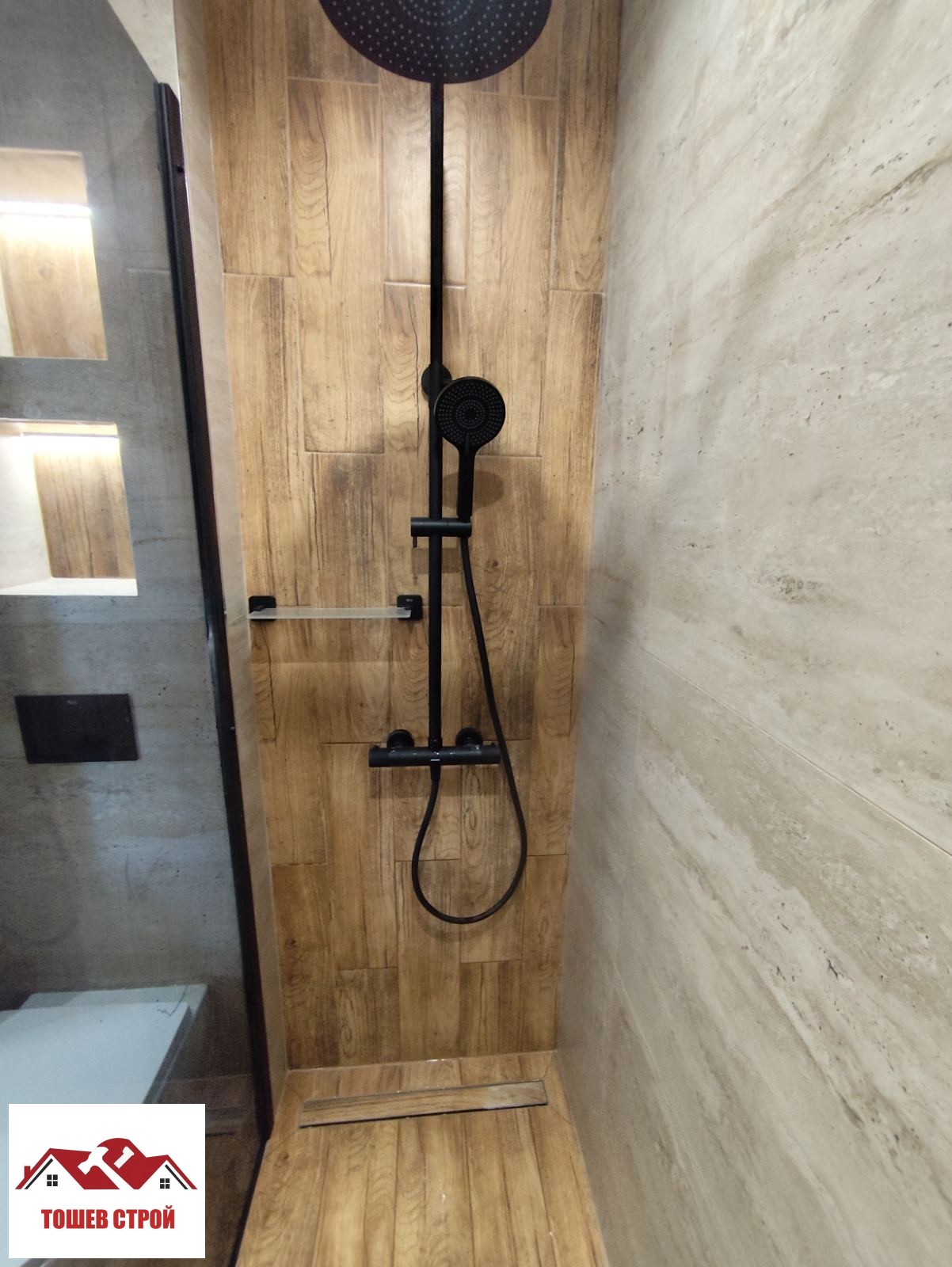
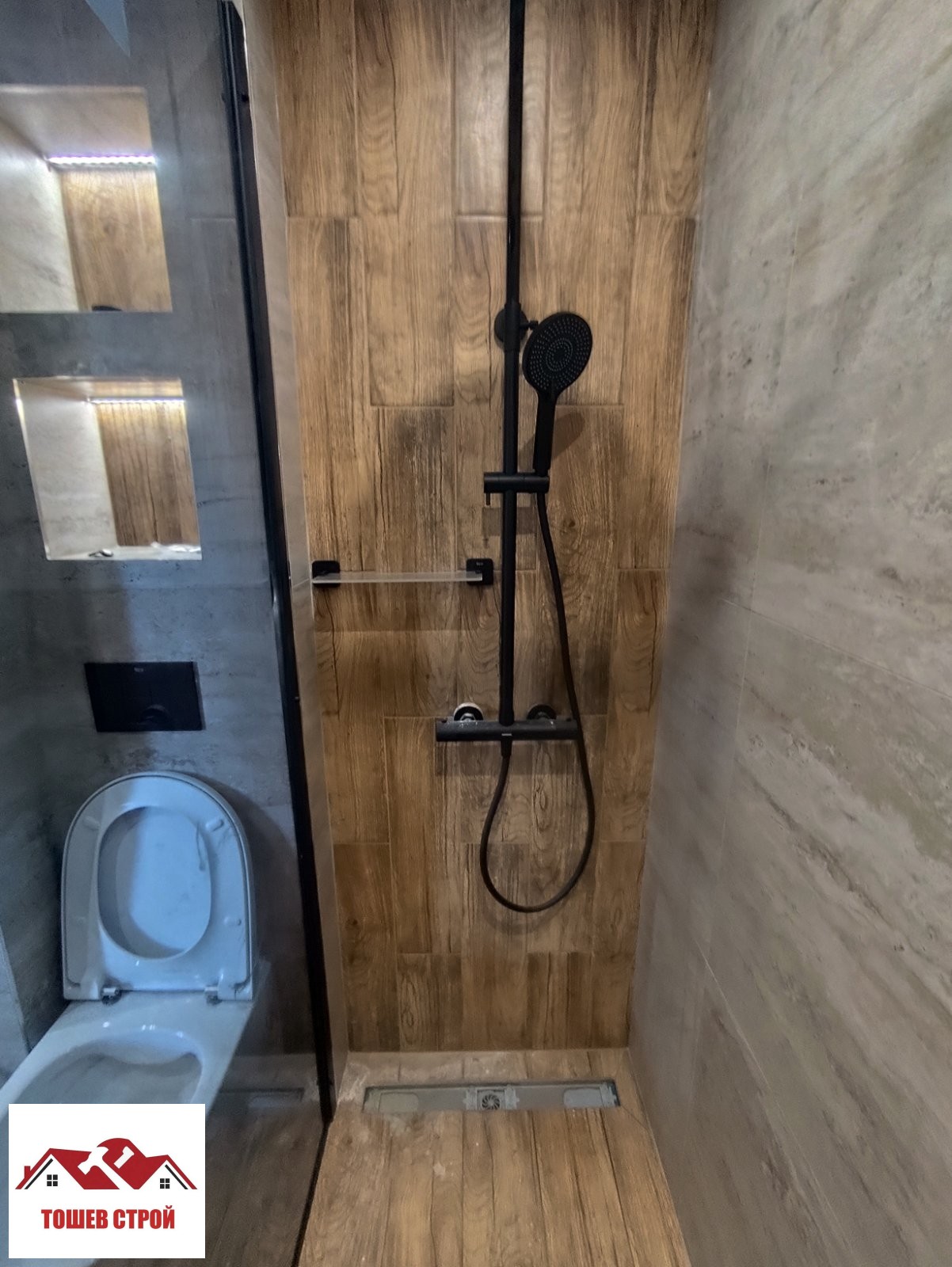
Good coordination between the different stages reduces the need for repeated demolition or corrections to already completed areas. This is particularly important with built-in structures, shower systems, niches, linear drains and other elements that require dimensions and positions to be determined in advance.
Bathroom renovation Sofia, conclusion
A complete bathroom renovation involves much more than replacing tiles and sanitary equipment. A reliable result begins with an assessment of the existing condition, proper planning of the installations and preparation of stable substrates. Waterproofing, tiling and sanitary elements should be installed in the correct sequence and with materials intended for wet-room conditions. Toshev Stroy carries out complete bathroom renovations in Sofia, with the required construction and installation activities specified in advance.
For every bathroom renovation Sofia project we complete, we rely on high-quality materials!
For a quality bathroom renovation Sofia and the surrounding area, as well as all other construction services, Toshev Stroy is a trusted and proven partner for residential renovations!
Follow us: Facebook, YouTube, TikTok