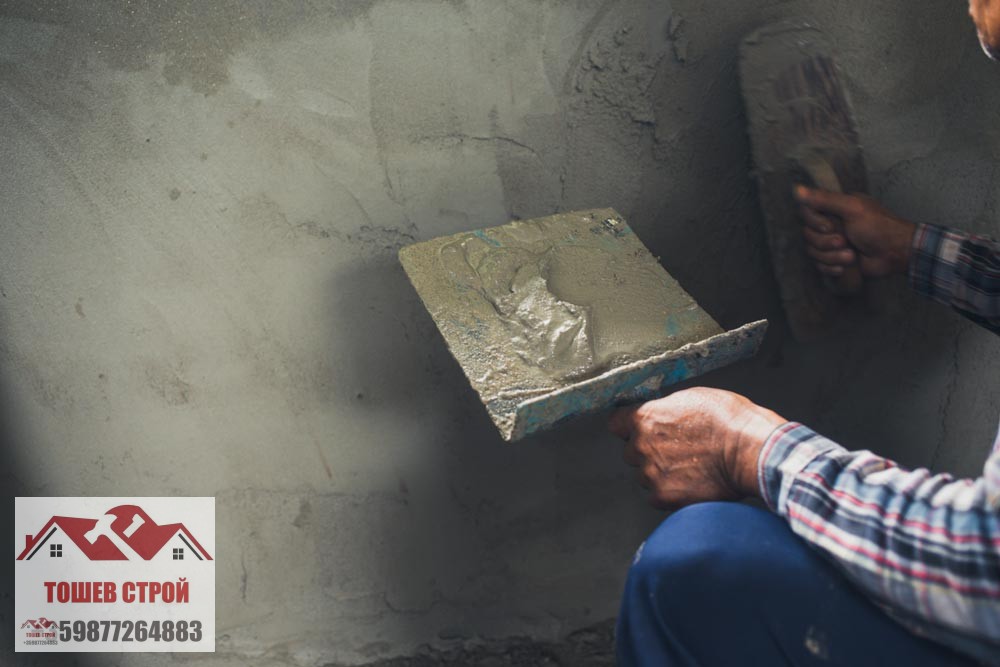
Exterior plaster
How to choose the right plaster for your home’s exterior walls?
Choosing an exterior plaster is a process that requires careful planning and an understanding of your building’s needs. This is not merely a protective layer – it is an investment in the durability, aesthetics, and energy efficiency of your property. The right plaster can transform the appearance of your facade, extend the life of the structure, and save future maintenance costs. In the following sections, we examine the main advantages and disadvantages from various perspectives—atmospheric conditions, budget considerations, and environmental friendliness—to help you make an informed decision.
Improved thermal insulation and facade protection
A balance between quality, aesthetics, and financial efficiency
Savings on future maintenance costs
An environmentally conscious choice contributes to sustainable development
Advantages and disadvantages regarding atmospheric conditions
The climatic characteristics and the impact of atmospheric conditions are crucial in choosing the right plaster. This aspect includes how the product performs against rain, snow, intense ultraviolet radiation, and temperature changes, with each of these factors potentially affecting the facade’s longevity.
Excellent protection against various atmospheric stresses
Maintains stability under fluctuating temperatures
Some options may fade under strong sunlight
Certain products require more frequent maintenance in extreme climates
Advantages and disadvantages from a budget perspective
The financial investment in selecting exterior plaster is key, as you need to strike a balance between quality and cost. By considering various price options, the consumer can choose a product that best fits their financial capabilities without compromising on durability or the building’s appearance.
A wide range of products available for different price ranges
A good quality/price ratio leads to long-term savings
The choice impacts future maintenance and repair costs
A lower budget might necessitate opting for less durable solutions
In the case of inexpensive products, there may be a need for frequent adjustments
Advantages and disadvantages from an environmental standpoint
In the era of sustainable development, choosing eco-friendly plaster is essential for preserving nature and to create a healthy environment around you. Although eco-products often come at a higher price, they can reduce environmental impact and enhance energy efficiency.
Use of natural and recycled materials
Improved thermal insulation and reduced energy consumption
Creation of a healthy living environment
Products that hold international eco-certifications
Higher prices for certified eco-solutions
A limited selection in some regions may hinder the choice
Exterior Plaster, how to choose the right one – conclusion
In conclusion, the choice of the appropriate exterior plaster should be well-thought-out and based on a detailed analysis of all key aspects—atmospheric conditions, budget constraints, and environmental criteria. The right product is one that balances technical features with visual appeal and meets the individual needs of your building. With the right information and awareness, you can make a choice that will provide protection, beauty, and durability for years to come.
A comprehensive analysis of all important factors
An intelligent choice tailored to individual needs
A long-term investment in the quality and aesthetics of your facade
A product that combines durability, cost-effectiveness, and environmental responsibility