Self-leveling of self-leveling screed, how does it happen?
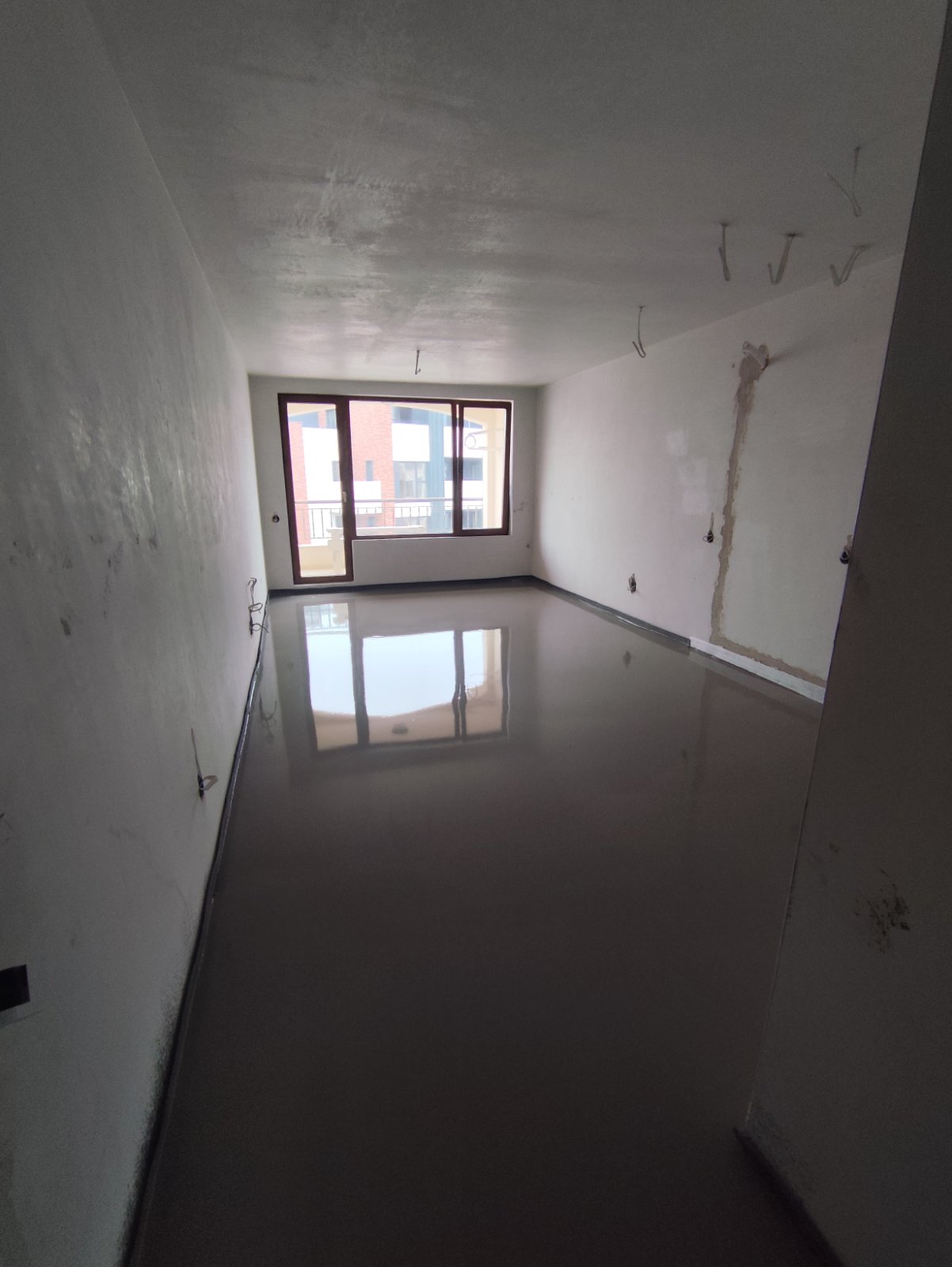
The self-leveling of self-leveling screed is one of the most practical solutions for leveling floors in residential, commercial, and industrial spaces. It is used when the base has uneven areas, slight level differences, or needs preparation before laying flooring. Thanks to its liquid consistency, the material spreads evenly across the surface and forms a smooth layer without the need for heavy mechanical processing. That is exactly why the topic of self-leveling of self-leveling screed is so important in modern renovation and construction work.
Preparation before self-leveling
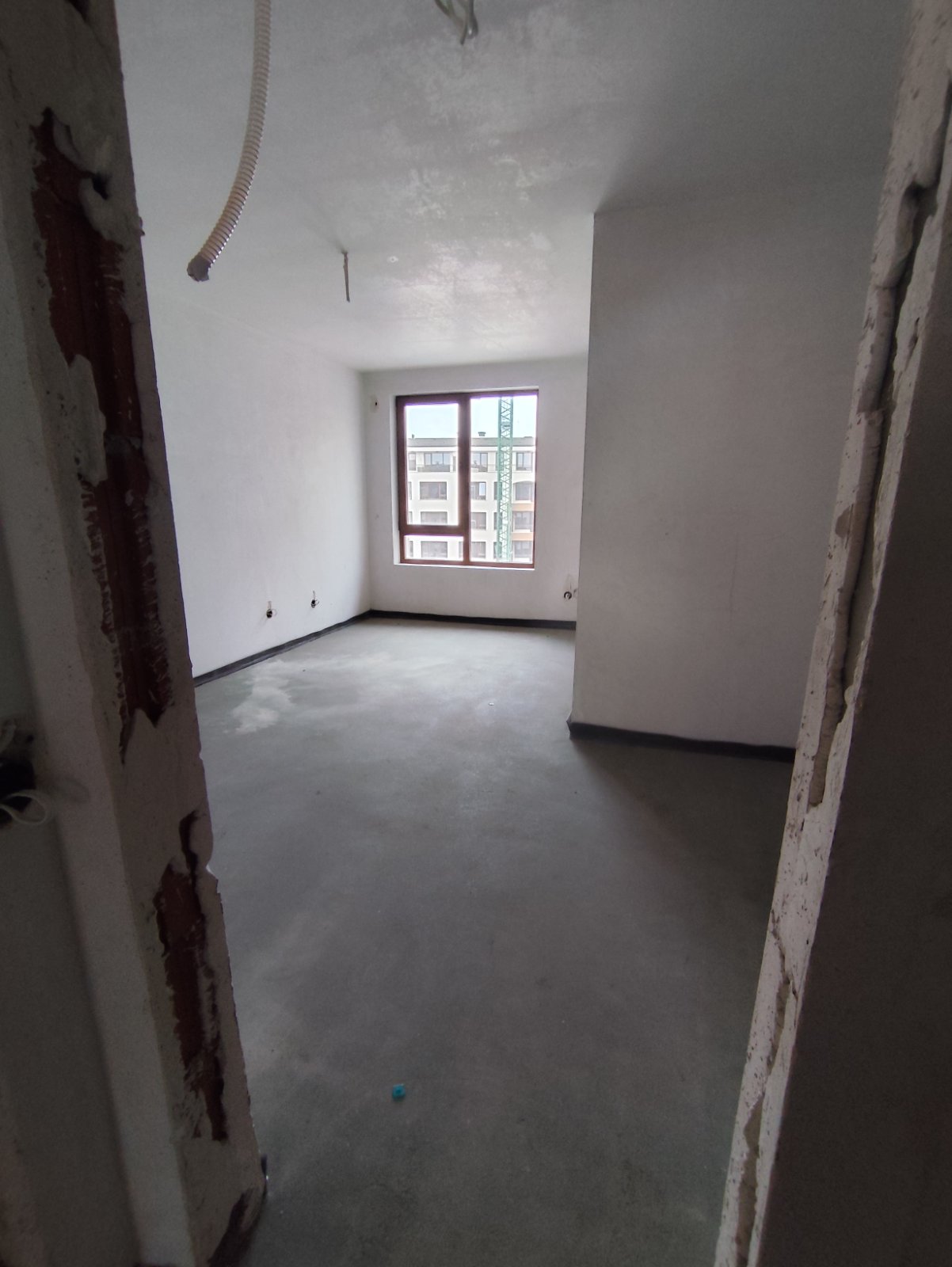
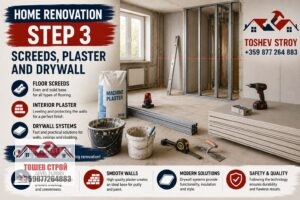
The process looks easy at first glance, but the good result depends on proper preparation. The base must be solid, dry, and cleaned from dust, grease stains, and remnants of old coatings. After that, a suitable primer is applied, which improves the adhesion between the floor and the screed. When the mixture is prepared according to the manufacturer’s instructions, it begins to spread across the surface and finds its own level. This creates a smooth and even base for tiles, laminate, vinyl, or other floor coverings.
Why self-leveling screeds are so preferred
Today, there are different types of self-leveling screeds on the market depending on the purpose and load of the room. Some are suitable for residential spaces, while others are designed for industrial floors with heavy loads. Choosing the right product is important both for strength and for the durability of the coating. Besides the convenience during application, self-leveling mixtures are also distinguished by fast drying, which shortens renovation time and allows quicker installation of the final flooring.
How does self-leveling screed level itself
The self-leveling effect happens thanks to the special composition of the mixture and the precise ratio between dry material and water. When the screed is mixed correctly, it gains a liquid and elastic structure that allows the material to spread evenly across the floor. After pouring onto the surface, the mixture begins filling the lower areas and gradually levels the surface.
How is a smooth surface achieved
In many cases, a spiked roller is used, which helps release air bubbles and supports the even distribution of the mixture. This reduces the risk of cavities and uneven areas forming on the surface after drying.
Why preparation is so important
Preparation of the base also plays an important role. If the floor is not properly primed or contains dust and moisture, the self-leveling screed may lose adhesion and crack. The temperature in the room also matters because an environment that is too cold or too warm affects the drying and spreading time of the mixture.
- The self-leveling process is supported by the liquid structure of the material
- The spiked roller removes air from the mixture
- Proper preparation of the base is crucial for the final result
When is it suitable to use self-leveling screed
During renovation of old floors
Self-leveling screed is suitable for renovating old floors as well as for new construction. It is most often used when there is a need for quick and accurate leveling before installing the final flooring. This makes it a preferred option for homes, offices, stores, and warehouse spaces.
Before installing floor coverings
The screed is especially useful when there are small uneven areas that can create problems during the installation of laminate, vinyl, or tiles. The smooth base allows easier and higher-quality installation of the final covering.
For underfloor heating
This type of screed is often used over underfloor heating because it surrounds the pipes well and allows even heat distribution. In addition, many products have a fast drying time, which speeds up renovation work. However, with larger level differences, preliminary leveling with another type of screed may be required.
- Suitable for interior renovations and new construction
- Used before installing different floor coverings
- Often applied over underfloor heating systems
Self-leveling screed – advantages and disadvantages?
The main advantages of self-leveling screed
One of the biggest advantages of self-leveling screed is its ability to create a perfectly smooth surface in a short time. This makes the subsequent installation of floor coverings easier and improves the final appearance of the floor. The material is relatively easy to apply and, when used correctly, can cover large areas without joints or visible transitions.
Durability and convenience during application
In addition, many modern mixtures have high resistance to load and cracking. This makes them suitable both for residential premises and for spaces with more intensive traffic.
Disadvantages that should be considered
Along with the advantages, there are also some disadvantages. Self-leveling screed requires good preparation and precise application technology. Improper mixing or an unsuitable base can lead to cracks, detachment, or uneven areas. Some products are also more sensitive to moisture and are not suitable for outdoor conditions.
- Provides a smooth and even floor
- Faster application compared to traditional screeds
- Requires careful preparation and proper mixing
Cement self-leveling screeds
Cement self-leveling screeds are the most common and are widely used in residential and commercial premises. They are distinguished by good strength, moisture resistance, and easy application. They are suitable for rooms with higher humidity such as kitchens, bathrooms, and basements.
- Suitable for humid rooms
- Distinguished by good strength
- Commonly used in standard renovations
Calcium sulfate anhydrite screeds
Calcium sulfate screeds, also known as anhydrite screeds, have very good thermal conductivity and are often used over underfloor heating. They allow smooth and even spreading but are more sensitive to moisture and are not suitable for wet rooms.
- Suitable for underfloor heating
- Provide even spreading
- Not recommended for wet rooms
Polymer and resin floors
Polymer and resin floors are mainly used in industrial and decorative spaces. They offer high wear resistance, modern appearance, and easy maintenance.
- Suitable for industrial premises
- Distinguished by high durability
- Offer a modern decorative effect
How to choose the right screed
Among the different types of self-leveling screeds, the choice depends on the load, humidity, and purpose of the room. The correct selection guarantees a strong and durable floor for many years.
- Cement screeds are moisture resistant
- Anhydrite mixtures are suitable for underfloor heating
- Polymer floors are used under heavy loads
Conclusion
Why self-leveling screeds remain a preferred choice
Self-leveling of self-leveling screed is a process that makes floor leveling easier and creates a stable base for different floor coverings. With proper preparation and quality material, the result is a smooth, strong, and durable surface. The different types of self-leveling screeds allow application both in residential premises and industrial facilities. That is why these types of screeds remain one of the most preferred solutions in modern construction and renovation work.
If you need floor screeding, whether it is self-leveling or traditional, we are here to help with this endeavor! Toshev Stroy Construction Company offers a wide range of construction services, equipped with modern technical equipment and construction machinery.