Is plasterboard wall straightening a good solution?
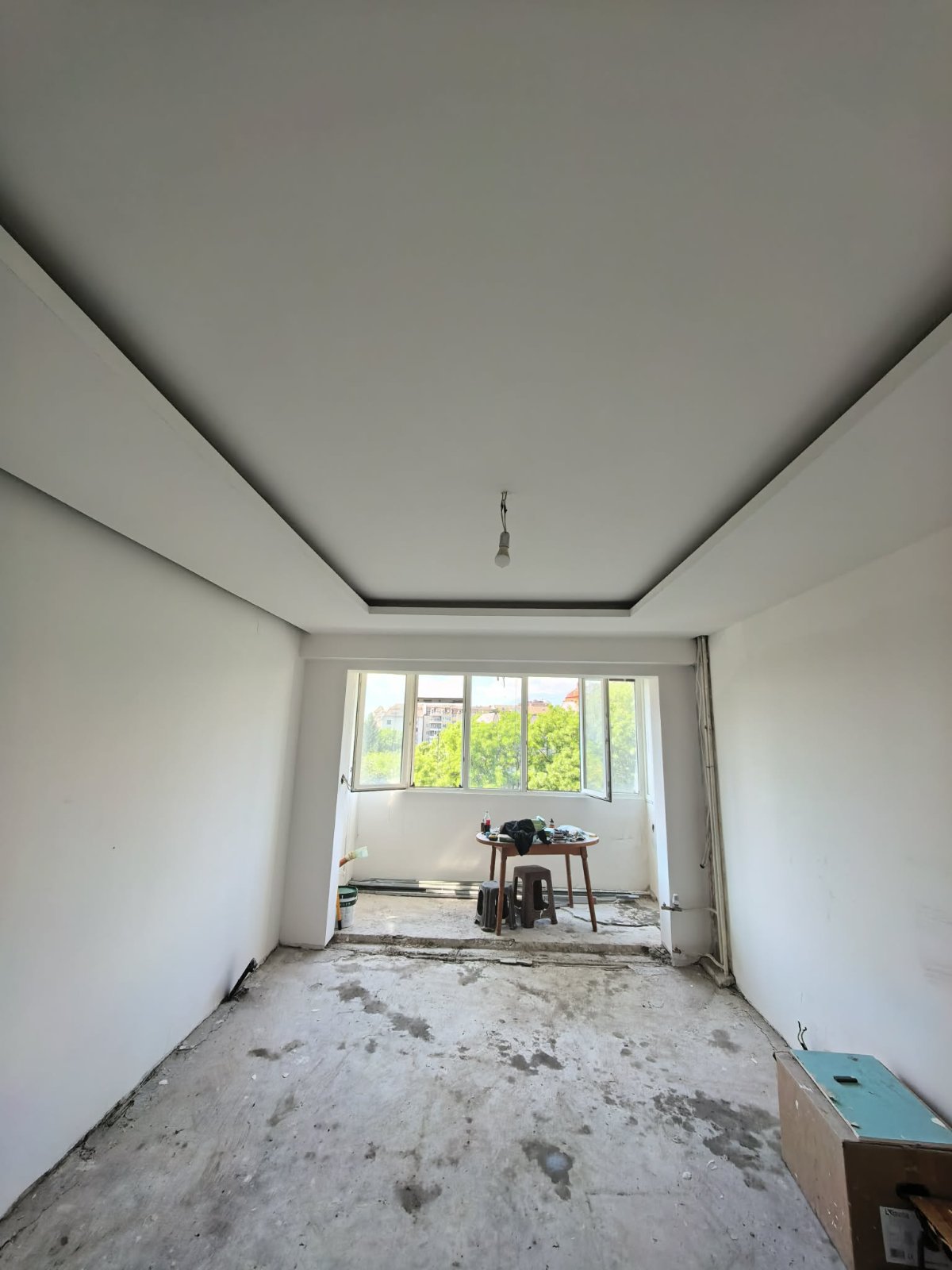
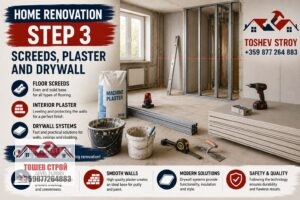
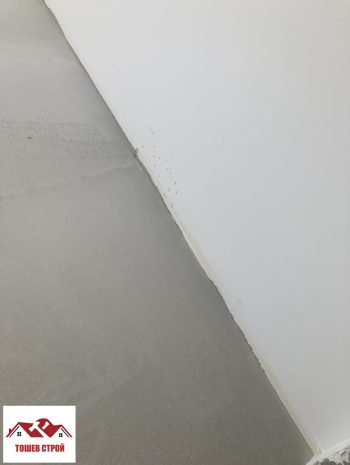
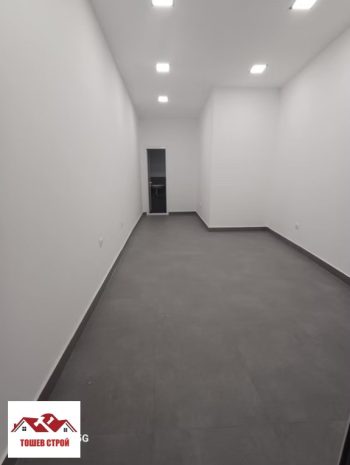
Plasterboard wall straightening is one of the most preferred solutions when renovating homes, offices, and commercial premises. This method makes it possible to quickly correct uneven surfaces, crooked walls, and damaged areas without the need for labor-intensive demolition or applying thick layers of plaster. Besides reducing the renovation time, plasterboard provides a smooth surface that is ready for painting, wallpaper, or decorative finishes. The final result is a perfectly straight wall with an excellent appearance and a minimal amount of construction waste.
When is it the best solution
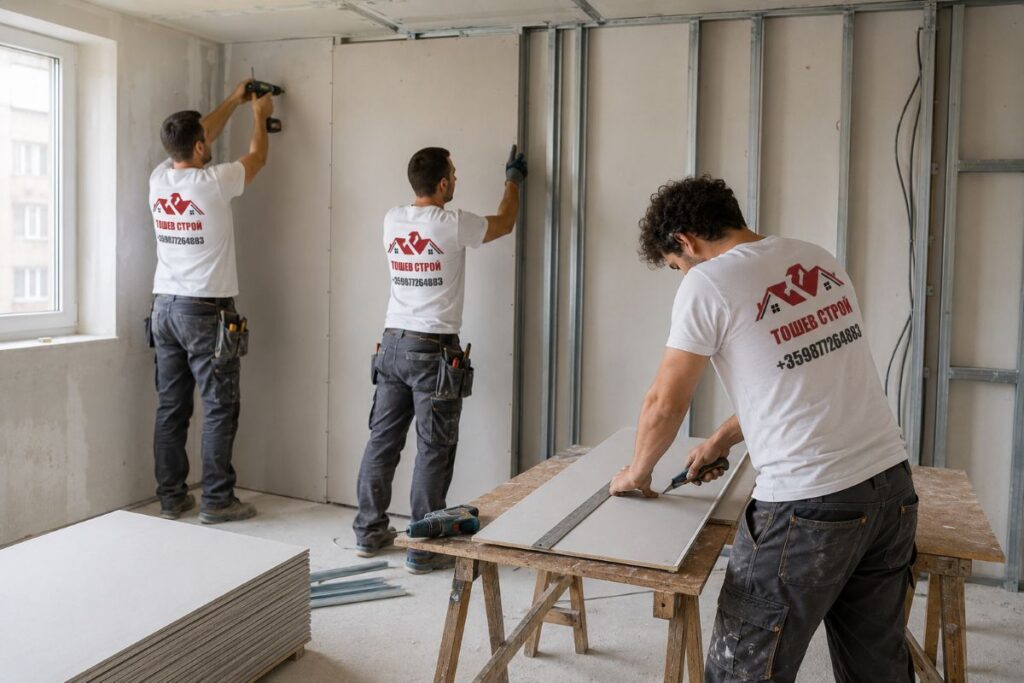
Straightening walls with plasterboard is an excellent choice for old brick buildings, panel apartments, and rooms with uneven or cracked walls. Depending on the level of irregularities, the boards can either be bonded directly to the wall or installed on a metal frame. The second option allows electrical wiring, thermal insulation, and sound insulation to be installed behind the boards.
- Suitable for severely uneven walls
- Allows fast renovation without wet construction processes
- Creates a perfectly smooth surface
Advantages of the method
One of the biggest benefits is the significant reduction in installation time. While traditional plastering requires several stages and drying time, plasterboard allows the renovation to be completed much faster. In addition, the construction can improve both thermal and acoustic comfort when suitable insulation is installed between the wall and the plasterboard panels.
- Shorter renovation time
- Possibility to add thermal and sound insulation
- Minimal construction waste
Installation methods
The installation method depends on the condition of the wall. Minor imperfections can be corrected by bonding plasterboard directly to the wall with gypsum adhesive. For larger irregularities, a metal profile frame is used, allowing precise leveling of the entire surface. Choosing the right installation method is essential for achieving a durable and long-lasting result.
- Direct bonding on relatively even walls
- Installation on a metal frame
- Precise leveling for heavily uneven walls
Standard plasterboard (white)
When is it used
Standard plasterboard (white) is the most common option for indoor areas with a dry environment. It is suitable for living rooms, bedrooms, hallways, offices, and other spaces where there is no excessive humidity. Thanks to its smooth surface, it allows easy jointing, plastering, and painting.
- Suitable for dry indoor areas
- Easy installation
- Excellent price-to-quality ratio
Main advantages
This type of plasterboard is an economical solution for most residential renovation projects. It is quick to install, easy to work with, and makes it possible to achieve perfectly smooth walls. When installed correctly, it remains stable and durable for many years.
- Affordable price
- Smooth surface
- Suitable for most renovation projects
Moisture-resistant plasterboard (green)
Where is it used
Moisture-resistant plasterboard (green) is designed for rooms with higher humidity levels. Its moisture-resistant core reduces water absorption and helps protect the construction under normal operating conditions. This makes it the preferred choice for kitchens, laundry rooms, and bathrooms.
- Suitable for humid areas
- Reduces the risk of moisture damage
- Excellent long-term durability
Why choose it
Although it is more expensive than standard plasterboard, the investment pays off through its longer service life. When installed correctly, it provides a reliable base for ceramic tiles, paint, and other finishing materials.
- Higher moisture resistance
- Suitable for tile installation
- Long service life
Fire-resistant plasterboard (pink)
When is it required
Fire-resistant plasterboard (pink) is used in areas where higher fire safety standards are required. Its core contains special additives and reinforcing fibers that improve its resistance to high temperatures.
- Suitable for technical rooms
- Commonly used in garages
- Suitable for public buildings
What are its advantages
In addition to its excellent fire resistance, this material retains its strength for a longer period when exposed to high temperatures. That is why it is widely used for constructing fire-rated partition walls and suspended ceilings.
- Enhanced fire resistance
- High structural strength
- Reliable fire protection
Moisture- and fire-resistant plasterboard
When is it the right choice
Moisture- and fire-resistant plasterboard combines the benefits of both specialized plasterboard types. It is suitable for areas where both increased humidity and enhanced fire protection are required.
- Combined moisture and fire protection
- Suitable for public buildings
- Excellent long-term durability
Advantages in professional projects
This material is frequently used in hotels, hospitals, schools, and industrial buildings. Although it costs more than standard plasterboard, it provides a comprehensive solution for projects with higher technical requirements.
- Resistant to moisture
- Enhanced fire protection
- Suitable for heavily used buildings
Gypsum fiber board
How is it different
Gypsum fiber board is not standard plasterboard but a much denser and stronger board. Thanks to its structure, it withstands greater mechanical loads and allows heavier furniture and equipment to be mounted directly onto the wall.
- Very high strength
- Better impact resistance
- Suitable for heavy loads
When should you choose it
If you plan to install kitchen cabinets, water heaters, televisions, or other heavy equipment, gypsum fiber board is the better option. It offers greater stability and a longer service life under intensive use.
- Suitable for kitchens
- Excellent choice for public buildings
- Supports heavier loads
Conclusion
Straightening a wall with plasterboard is a practical, fast, and cost-effective solution that makes it possible to achieve a perfectly smooth surface without complicated construction work. The right choice between standard plasterboard (white), moisture-resistant plasterboard (green), fire-resistant plasterboard (pink), moisture- and fire-resistant plasterboard, and gypsum fiber board depends on the purpose of the room and the operating conditions. When the appropriate material is selected and the installation is carried out professionally, the result is a strong, durable, and long-lasting wall that is ready for any type of finishing work.
If you need plasterboard construction or a complete interior renovation, do not hesitate to contact us for an on-site inspection (for Sofia and the surrounding area).
Follow us on FaceBook.